

Exploring the vibrant tapestry of casino culture across the globe
The Origins of Casino Culture
The roots of casino culture can be traced back to ancient civilizations, where games of chance were played in various forms. From the dice games of the Romans to the card games in China, the thrill of gambling has been an integral part of human entertainment. These early games laid the foundation for the sophisticated establishments we see today, where not only luck plays a pivotal role but also skill in various gaming strategies. In recent years, the rise of online casinos has transformed how players engage with these classic games.
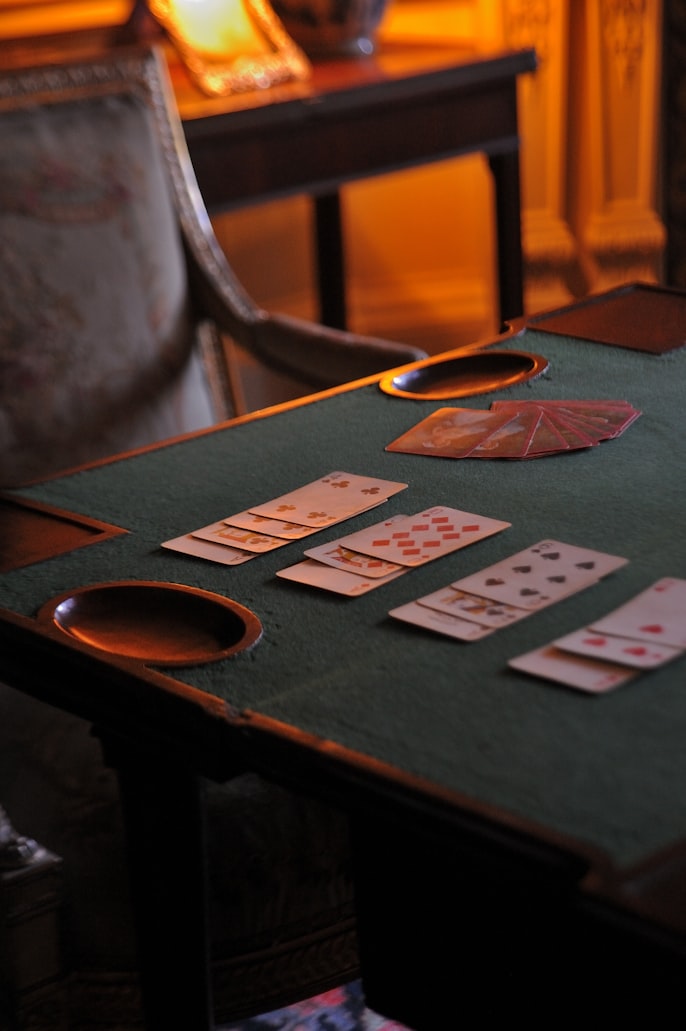
As societies evolved, so did the concept of casinos. The first official casino, the Ridotto, opened in Venice in 1638, creating a formalized space for gambling. This was not merely a venue for games; it was a social hub where the elite gathered to experience the allure of chance and fortune. The cultural significance of casinos continued to grow, influencing art, literature, and even politics, as they became synonymous with both luxury and risk.
Global Variations in Casino Culture
Casino culture varies significantly across different regions, reflecting local customs and attitudes toward gambling. In Las Vegas, for instance, casinos are grandiose and extravagant, often themed to enhance the gaming experience. The allure of these establishments draws millions, creating a vibrant atmosphere fueled by entertainment and nightlife. The Las Vegas Strip is a testament to the opulence associated with gambling, showcasing everything from high-end restaurants to world-class performances.
Conversely, in places like Macau, the focus shifts to high-stakes gambling, attracting a different demographic. Here, the culture is steeped in tradition, with influences from Chinese practices and beliefs regarding luck and fortune. The rise of Macau as a gambling powerhouse has transformed it into a pivotal player in the global casino landscape, drawing millions of visitors eager to experience its unique blend of heritage and modernity.
The Role of Luck versus Skill
The age-old debate of luck versus skill plays a crucial role in shaping casino culture. Games like poker and blackjack require not only luck but also strategic thinking, psychology, and calculated risks. Players often spend years honing their skills, learning to read opponents and make informed decisions. This element of skill adds depth to the gaming experience, transforming it into a competitive arena where knowledge can influence outcomes.
In contrast, games of chance, such as slots and roulette, rely heavily on luck. These games offer a different kind of thrill, appealing to those who seek immediate gratification and excitement. The dichotomy between skill and luck contributes to the diversity of experiences available in casinos, attracting a wide audience with varying preferences. Whether it’s the strategic atmosphere of a poker room or the bright lights of a slot machine area, both elements coexist to create an engaging environment.
Impact of Technology on Casino Culture
The integration of technology into casino culture has revolutionized the gambling landscape. Online casinos have gained popularity, allowing players to engage in their favorite games from the comfort of their homes. This shift has made gambling more accessible, breaking geographical barriers and introducing a new generation to the excitement of betting.
Furthermore, advancements such as virtual reality and live dealer games have enriched the online gaming experience. Players can now enjoy the ambiance of a physical casino without leaving their homes. This evolution not only caters to changing consumer preferences but also reflects the ongoing adaptability of casino culture in the face of modern challenges and innovations.

Conclusion: A Glimpse into the Future of Casino Culture
The future of casino culture is likely to be shaped by ongoing technological advancements and shifting societal attitudes towards gambling. As more jurisdictions consider legalizing and regulating casinos, the global landscape may see a surge in new establishments, each contributing its unique flavor to the rich tapestry of casino culture.
Ultimately, the vibrant world of casinos will continue to evolve, intertwining luck and skill, tradition and innovation. Each visit to a casino, whether physical or virtual, offers a chance to partake in this dynamic culture that reflects our collective fascination with chance, excitement, and the human experience.

